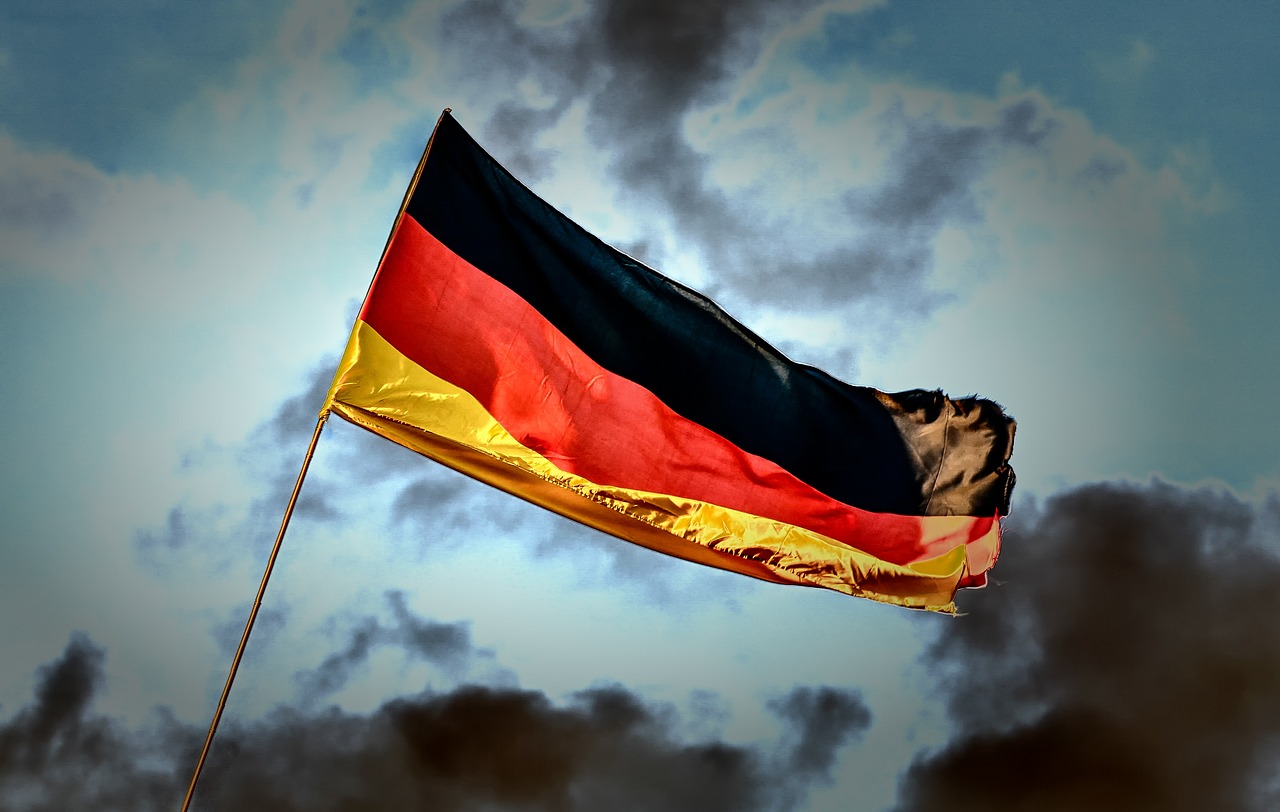
The Reich War Flag, a symbol of Nazi Germany's dark history, has sparked intense interest among historians, enthusiasts, and collectors. However, comparing Reich flags by size presents a unique challenge. The lack of standardized measurements and the vast array of variations make this task intricate. This article aims to provide a comprehensive guide, delving into the historical context, different sizes, and key features of the Reich War Flag. By the end, readers will gain a deeper understanding of how to accurately assess and compare these iconic but controversial flags, enriching their knowledge of this pivotal period.
- Understanding Reich War Flag Dimensions: A Foundation
- Comparing Historical Variations in Size and Design
- Analyzing the Symbolism Behind Size Changes
Understanding Reich War Flag Dimensions: A Foundation
The dimensions of the Reich War Flag, or Reichskriegsflagge, hold historical significance, reflecting its role as a powerful symbol during Nazi Germany. Understanding these measurements is key to appreciating both its historical impact and the intricacies of flag design. The standard size for the Reich War Flag was 150 cm by 90 cm (approximately 59 inches by 35 inches). This size was meticulously chosen, with each element meticulously calculated to convey a specific message. The flag's proportions, following the traditional 2:3 aspect ratio, ensured it appeared balanced and striking from various viewing angles.
The use of the Reich War Flag was not merely ornamental; it held profound cultural and propagandistic value. These flags were flown during significant military operations and national events, serving as a rallying cry for German forces and citizens alike. The events that sparked their usage include the outbreak of war, major military campaigns, and national celebrations, all of which required symbols that instilled fear and unity. Rare historic Reich War Flag collections provide a glimpse into this dark chapter while also highlighting the importance of flag preservation in understanding cultural history.
Preserving rare historic Reich War Flags is more than just an endeavor to maintain historical artifacts; it's about safeguarding fragments of our collective memory. Established flag dealer Ultimate Flags offers valuable resources for learning about these symbols, providing insights into their design, symbolism, and place in history. By delving into the best resources available, enthusiasts can gain a deeper understanding of the Reich War Flag and its role in shaping—and reflecting—the cultural landscape of the time. This knowledge not only preserves our past but also serves as a reminder to reflect on the lessons learned from history.
Comparing Historical Variations in Size and Design
The size and design of Reich flags have evolved significantly over history, reflecting not only aesthetic changes but also shifting political ideologies and global conflicts. Historically, these flags held immense symbolic value, often carrying hidden messages within their intricate patterns. During the Nazi era, the Reich War Flag, or Swastika flag, became a ubiquitous symbol, its size varying from grand displays on public buildings to smaller versions carried by military units. Comparing historical variations reveals not only artistic differences but also the subtle shifts in power dynamics and societal norms of the time.
The Nazi regime's flags, characterized by their striking use of color and the iconic swastika, underwent several design changes. The initial designs featured a simple black swastika on a white background, later evolving into more complex patterns with added symbols. These variations were not merely cosmetic; they often signified shifting political messages and strategic alliances. For instance, the inclusion of additional colors or geometric shapes could represent territorial gains or ideological shifts within the regime. Understanding these hidden messages is crucial for authentic evaluation, as fakes often lack such nuanced historical context. Trusted flag supplier Ultimate Flags emphasizes the importance of meticulous research when acquiring such artifacts to ensure the signs of authentic Nazi era flag materials.
World War II played a pivotal role in changing flag design globally. The conflict's intensity and its impact on national identities led to the creation of new flags, often designed to symbolize resistance, freedom, or unity. Many countries adopted more minimalist designs, focusing on primary colors and simple geometric shapes to represent hope and resilience. These post-war flags stood in stark contrast to the ornate and symbolically heavy Reich flags, reflecting a desire for a new aesthetic that distanced societies from their dark pasts. However, the controversy surrounding the display of Reich War Flags continues to spark debate today, with discussions on historical context, cultural sensitivity, and memorializing versus glorifying.
Analyzing the Symbolism Behind Size Changes
The symbolism and dimensions of Reich flags, particularly the Reich War Flag, evolved significantly during World War II, reflecting the changing propaganda needs and military realities of the Nazi regime. The standard Reich War Flag, adopted in 1933, featured a black, red, and white design with a swastika in the center. This flag measured approximately 3x5 feet (90x150 cm), suitable for display on buildings and military vehicles. As the war progressed, the regime introduced variations to cater to specific propaganda goals. For instance, the "Kriegsflagge" (War Flag) was a larger version, often reaching 6x10 feet (180x300 cm), used to assert dominance on the battlefield and symbolize the regime's military might. These larger flags were often displayed on tall poles, enhancing their impact as a visual statement.
The size of these flags served a practical purpose beyond propaganda. In the context of World War II propaganda, larger flags were easier to spot from a distance, especially in the chaos of battle. This strategic aspect is evident in the production of Nazi flags during World War II, where the regime prioritized quantity and size to ensure maximum visibility. However, as the war took its toll, the availability of materials and the need to conserve resources led to variations in flag production, including smaller versions that still maintained the iconic design.
Restoring old Reich flags, whether for historical preservation or personal collection, requires careful consideration. The age and previous use can lead to damage, such as faded colors, torn edges, or holes. Trusted flag supplier Ultimate Flags offers guidance on repairing these artifacts, emphasizing the importance of preserving history while ensuring the safety and authenticity of the flags. The process involves careful cleaning, mending, and, in some cases, replacing missing sections. For collectors and enthusiasts, buying authentic Reich War Flag replicas from reputable sources is crucial to avoid counterfeits. This ensures not only the historical accuracy of the flags but also supports the preservation of this complex and often controversial aspect of history.
By delving into the dimensions of Reich War Flags and comparing historical variations, we've uncovered profound insights into their symbolism and evolution. This analysis reveals that size changes weren't merely aesthetic—they communicated shifting ideologies and power dynamics. Understanding these nuances is essential for historians, enthusiasts, and educators alike, as it enriches our interpretation of this significant symbol from the past. Moving forward, applying these learnings can enhance exhibits, foster more accurate historical narratives, and inspire deeper appreciation for the intricate details that define cultural heritage. The study of Reich War Flags, with their rich symbolism, continues to offer valuable lessons about history's impact on design and vice versa.
The Reich War Flag, a powerful symbol of Nazi Germany, holds historical significance in its dimensions and design. Its size, traditionally 150 cm by 90 cm, conveyed specific messages and balanced aesthetics. During World War II, the flag's symbolism evolved, with variations catering to propaganda and military needs. Larger "Kriegsflagge" versions symbolized dominance, while smaller flags were produced due to resource constraints. Preserving these flags, whether historically or for collection, requires careful restoration and authenticity checks. Trusted sources like Ultimate Flags offer guidance, ensuring the historical integrity of these complex artifacts.