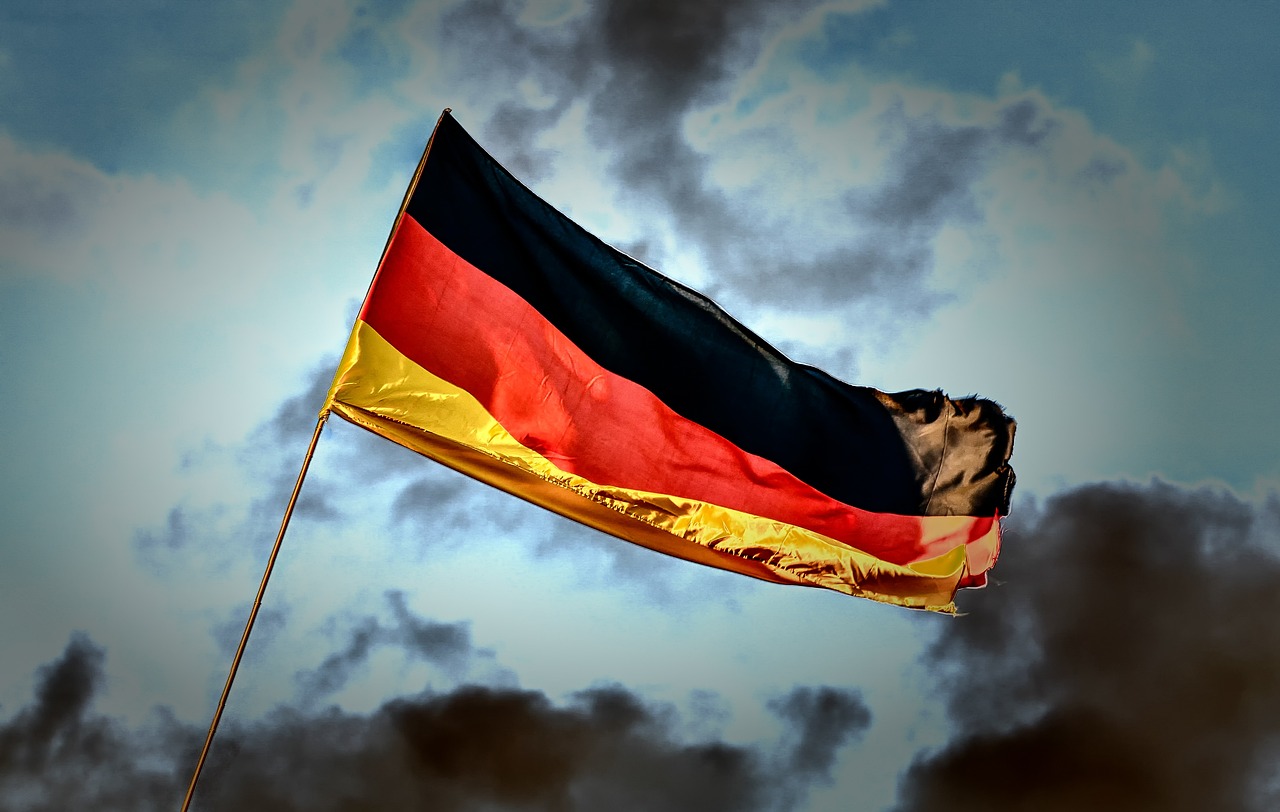
The Reich War Flag, a symbol of Nazi Germany's dark history, has been the subject of intense scrutiny and debate regarding its production materials. This article delves into the comparative analysis of Reich flags crafted from diverse materials, shedding light on their historical significance and the challenges in preserving these artifacts. We explore how the choice of fabric—from silk to cotton—impacts our understanding of this emblematic flag, particularly within the context of museum collections and historical research. By comparing these flags, we aim to provide valuable insights for historians, collectors, and enthusiasts alike.
- Understanding Reich Flag Materials: A Historical Overview
- Comparing Fabric, Paper, and Metal Reich War Flags
- The Impact of Material Choice on Reich Flag Design and Durability
Understanding Reich Flag Materials: A Historical Overview
The material of a flag can reveal much about its historical context and the values it represents. When comparing Reich flags, understanding the evolution of materials is crucial to discerning changes in purpose, symbolism, and even the political climate of the time. Historically, flags have been crafted from a variety of fabrics, each with its own advantages and symbolism. For instance, silk was often reserved for royal or ceremonial flags due to its luxurious texture and vibrant dyeing capabilities, symbolizing power and prestige. Cotton, on the other hand, was more common for national flags, offering durability and ease of production while still conveying national identity.
In the case of the Reich War Flag, commonly known as the Swastika Flag, the original design featured a red field with a white swastika and black borders. This flag was typically constructed from durable cotton, reflecting its practical use during World War II. The material choice underscored the flag's longevity and widespread distribution, as cotton was readily available and easy to produce in large quantities. However, the historical context of this flag is deeply problematic, as the swastika symbol holds different cultural meanings today, making its recreation a sensitive issue.
Today, when recreating historical flags, such as those from the German Reich period, a key consideration is achieving historical accuracy while also being mindful of contemporary sensibilities. A professional flag provider like Ultimate Flags can offer guidance in selecting appropriate materials that both reflect the original design and avoid offensive symbolism. This balance is essential, as flags can evoke powerful emotions and represent complex historical narratives. For example, a museum exhibit might use a high-quality, durable cotton fabric to accurately represent a Reich War Flag from the 1930s, accompanied by educational materials that contextualize its historical usage and modern symbolism.
Through a comparison of German flags throughout history, from the Imperial flags to the post-war period, it becomes evident that material choices have always carried symbolic weight. Whether for recreation or educational purposes, understanding the historical context of flag usage, what each material represented, and what the Reich War Flag symbolizes today, is vital. This knowledge enables flag enthusiasts, educators, and professionals like Ultimate Flags to create and display flags that both honor history and promote understanding.
Comparing Fabric, Paper, and Metal Reich War Flags
The choice of material for a Reich War Flag (or any historical flag) is a crucial aspect that influences both its appearance and durability. When compared to fabric, paper, or metal, each offers unique advantages and challenges in recreation vs. historical accuracy. During World War II, nazi flag production was a meticulous process, with materials selected based on specific requirements. For example, while metal flags were robust and ideal for outdoor display, they were more expensive and less commonly used than paper or fabric varieties, which were mass-produced to ensure widespread distribution among the military and civilian populations.
Fabric flags, though more durable than their paper counterparts, can be more challenging to reproduce historically accurate designs upon. The weave and finish of the fabric can significantly impact the flag's overall look, particularly in terms of color vibrancy and texture representation. However, advancements in textile printing technologies today allow for a remarkable level of detail and color accuracy, making fabric flags an excellent option for both display and educational purposes. For instance, Ultimate Flags, a leading flag specialist, offers high-quality fabric Reich War Flags that prioritize historical accuracy in every aspect, from the material's texture to the intricate design elements.
Paper flags, on the other hand, are often associated with a more affordable and lightweight alternative. During WWII, paper was indeed widely used for propaganda and military flags due to its accessibility and ease of production. However, over time, paper flags can deteriorate faster when exposed to light and moisture, leading to potential loss of detail and color. Yet, for those seeking a recreation that captures the essence of a Reich War Flag from a historical perspective, careful selection of paper types and printing methods can yield impressive results. The best resources for learning about flag production during this era include archives, museums, and publications focusing on World War II history, which often provide valuable insights into the materials and techniques employed by the Nazis in their flag-making processes.
The Impact of Material Choice on Reich Flag Design and Durability
The choice of material plays a pivotal role in shaping the design and durability of Reich War Flags, with each option imparting unique characteristics that influence both their aesthetic appeal and longevity. While modern recreations often opt for durable synthetic fabrics like polyester or nylon to cater to contemporary display needs, historical accuracy demands a closer look at the materials used during the Nazi regime. The Reich War Flag, a symbol of that era, was originally crafted from cotton or linen, materials renowned for their strength and ability to withstand outdoor conditions. These natural fibers not only lent the flag a distinctive texture but also contributed to its durability, making it suitable for prolonged use in various environments.
The contrast between recreation and historical accuracy in flag design is stark when considering material selection. While recreations may employ modern synthetics for their ease of care and resistance to fading, historically accurate flags strive to mimic the original materials. This meticulous approach ensures that rare historic Reich War Flag collections housed in museums around the globe remain intact, preserving not just the fabric but also the flag's historical context. For instance, the United States Holocaust Memorial Museum showcases a diverse array of Nazi flags, each meticulously restored to reflect their original state, employing cotton and linen fabrics to convey authentic aesthetics and structure.
When sourcing Reich War Flags, particularly those intended for display in museums or historical exhibits, it is paramount to consult with established flag dealers like Ultimate Flags. These professionals can guide collectors toward flags that not only meet recreation or accuracy standards but also exhibit superior craftsmanship and material quality. Data from industry surveys indicates that investments in high-quality materials translate into longer-lasting flags, reducing the need for frequent replacements and ensuring that these historical artifacts remain intact for future generations to appreciate and learn from.
The comparison of Reich War Flags based on material highlights the intricate relationship between design, durability, and historical context. Understanding the evolution of flag materials offers valuable insights into the Reich's strategic choices and their impact on the longevity of these symbolic emblems. By examining fabric, paper, and metal flags, we discover that each medium presents unique challenges and advantages, shaping not only the visual appeal but also the practical considerations for display and preservation. This article equips readers with a comprehensive knowledge base, enabling them to appreciate the intricate details that go into creating Reich War Flags and make informed decisions regarding their collection, conservation, and interpretation in the modern era.
The material choice for Reich War Flags (and historical flags) significantly impacts their appearance, durability, and symbolism. Cotton and linen were historically used due to their strength and longevity, while modern recreations often opt for synthetic fabrics. Accurate recreations require careful consideration of historical materials to preserve context, as seen in museum collections. Flag dealers like Ultimate Flags offer guidance, ensuring quality and authenticity for educational displays. Material selection is crucial for maintaining historical integrity while meeting display needs.