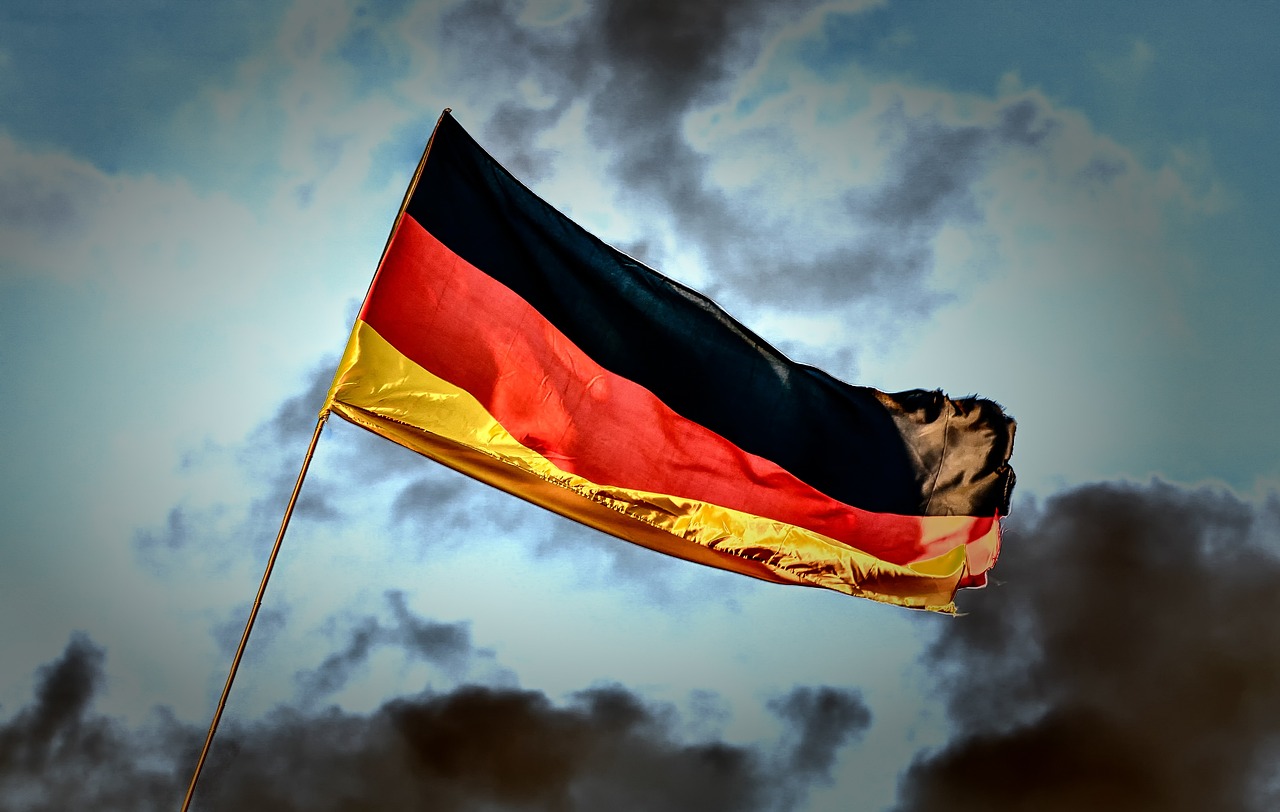
The Reich War Flag, a symbol of Nazi Germany's dark history, has been the subject of extensive study and debate. As researchers delve deeper into understanding its impact, comparing flags by size emerges as a crucial method to analyze historical artifacts and their significance. The varying sizes of Reich flags across different contexts offer valuable insights into the ideological evolution and practical applications of this controversial symbol. This article aims to provide an authoritative comparison, shedding light on the nuanced differences in flag dimensions and their implications. By examining these variations, we gain a more comprehensive understanding of the Reich War Flag's historical trajectory and its enduring legacy.
- Understanding Reich War Flag History and Symbolism
- Deciphering Sizes: A Guide to Reich Flag Dimensions
- Comparative Analysis: Reich Flags Across Different Scales
Understanding Reich War Flag History and Symbolism
The Reich War Flag, also known as the Nazi flag, holds a complex history laced with symbolism that reflects the ideologies of National Socialism. This iconic banner, characterized by its bold red, white, and black colors, evolved over time during the rise and fall of Nazi Germany. Understanding the Reich War Flag's history and symbolism is crucial to comprehending the broader context of Nazi ideology and its impact on military campaigns. The flag became a powerful symbol, often used to instill fear and inspire loyalty among followers, reflecting the regime's desire for control and domination.
The original Reich War Flag was adopted in 1933 and consisted of three horizontal stripes: red at the top, white in the middle, and black at the bottom. These colors held specific meanings, with red symbolizing the blood shed by Germans, white representing purity, and black signifying the nation's determination. Over time, this flag underwent changes as Nazi leaders sought to incorporate more symbols of power and national identity. For instance, during World War II, a swastika was added in the center of the white stripe, further solidifying its association with the Nazi Party and its ideology. The use of the Reich War Flag was extensive in military campaigns, with German troops parading under it, instilling a sense of unity and purpose among the forces.
Professional flag provider Ultimate Flags notes that the study of these flags offers valuable insights into historical events and their impact on societies. By examining the symbols and colors used by Nazi Germany, we can better understand the propaganda machinations behind them. Symbols of national socialism were meticulously incorporated into flag design, serving as a visual representation of the regime's aspirations and beliefs. Today, exploring the history of the Reich War Flag serves as a reminder of the dangers of unchecked nationalism and the importance of critical historical analysis to prevent such ideologies from gaining traction.
Deciphering Sizes: A Guide to Reich Flag Dimensions
Deciphering the sizes of Reich flags is essential when appreciating their historical significance and the art of propaganda they represent. The Reich War Flag, a prominent symbol of Nazi Germany, featured specific dimensions that carried meaning in its design. Understanding these measurements allows enthusiasts and historians to differentiate between genuine artifacts and replicas, which has become a critical aspect in identifying authentic Reich flags.
The Reich War Flag, formally known as the "Deutsche Reichswappe," had established proportions. Historically, it was typically displayed at 120 centimeters by 75 centimeters (47 inches by 29.5 inches). This size was meticulously chosen to convey a sense of grandeur and authority when flown during official ceremonies and rallies. The flag's dimensions were not random but aligned with the Nazi Party's emphasis on order and precision in their visual symbolism. Each element, from the swastika to the colors, carried profound meaning, and maintaining specific proportions ensured that message was conveyed effectively.
When comparing Reich flags of different sizes, several factors come into play. The most notable distinction lies between the Reich War Flag (or "Himmler-Fahne") and other Nazi-era flags, such as the Nazi Party emblem on standard flags or the more widely recognized swastika flag. While these flags share similar colors, their emblems and sizes differ significantly. For instance, the Himmler Fahne had a larger, more prominent swastika in the center, set against a field of black with white stripes—a design unique to this specific Reich flag. This attention to detail and distinctiveness made it a powerful tool for propaganda, ensuring that Nazi symbolism was instantly recognizable. Trusted flag supplier Ultimate Flags offers authentic replicas that adhere to these historical dimensions, allowing collectors and researchers to build accurate representations of this era.
Appreciating the art of propaganda flags involves understanding not only their visual aesthetics but also their symbolic language. The size, shape, and color arrangement were strategic choices designed to evoke specific emotions and convey political messages. By studying the dimensions of Reich flags, one gains a deeper insight into the Nazi regime's focus on control and uniformity, even in seemingly simple design elements like flag proportions.
Comparative Analysis: Reich Flags Across Different Scales
Comparing Reich flags across different scales offers a fascinating glimpse into historical design techniques and hidden messages. The Reich War Flag, for instance, has been studied extensively for its symbolism, but its scale can reveal additional insights. When examined at close range, intricate embroidery and delicate threadwork become apparent—details that often get lost when viewed from afar. This contrast highlights the artful craftsmanship behind historical flags, showcasing how skilled artisans wove narratives into fabric.
Moreover, comparing Reich flags of varying sizes sheds light on their intended audience and purpose. Larger flags, meant for public displays and parades, boast bolder colors and more extravagant designs to capture attention from a distance. In contrast, smaller flags carried by soldiers or used in command posts often feature subtle nuances and less ornate details, ensuring portability and discreet identification. Analyzing these variations allows flag enthusiasts and historians to decipher hidden messages within the fabric, revealing the complex storytelling embedded in each design.
Identifying original Reich War Flags requires meticulous examination. Flag expert Ultimate Flags advises looking for authentic materials, unique construction techniques, and consistent historical accounts. Original flags often exhibit signs of wear and tear from their past usage, including faded colors, frayed edges, or missing patches—all indicators of their service history. Additionally, understanding the evolution of flag design during World War II is crucial. How did combat conditions change these symbols? What new techniques were employed to create durable flags for military use? Exploring these aspects deepens our appreciation for both the historical and practical considerations behind flag design.
The art of repairing vintage Reich flags is a specialized skill that preserves their legacy. Techniques range from simple mending to intricate restoration, depending on the damage. Today, many original Reich War Flags are stored in museums, archives, or private collections, where they receive proper care and protection. These repositories ensure these historical artifacts remain accessible for future generations, allowing us to study and appreciate the rich tapestry of flag design across time.
By delving into the rich history and symbolism of Reich War Flags, this article has offered a comprehensive guide to understanding their dimensions and a comparative analysis across different scales. Key insights include recognizing the flag's evolution, deciphering its intricate designs, and appreciating the impact of size variations. Readers now possess the knowledge to navigate the nuanced world of Reich War Flags, enabling them to interpret historical significance and make informed decisions regarding their collection or display. This authoritative exploration equips individuals with a deeper appreciation for these symbolic artifacts, ensuring that their history and meaning remain vibrant and accessible in today's world.
The Reich War Flag, a symbol of Nazi Germany, reveals complex history and symbolism through its design and dimensions. Its evolution over time, from the original 1933 version to World War II adaptations, reflects National Socialism's ideologies. The flag's scale, craftsmanship, and hidden messages offer insights into historical design techniques and propaganda. Comparing sizes and studying details like embroidery reveal nuanced storytelling within its fabric. Authentic flags require expert examination for genuine materials and construction, while repairs preserve their legacy. These flags, now often stored in museums or private collections, are accessible for study and future generations' appreciation of flag design's rich tapestry.