The Reich War Flag, a symbol of Nazi Germany, has been the subject of historical inquiry and public debate. As a significant cultural and political artifact, understanding its variations across different sizes is crucial for scholars and enthusiasts alike. This article delves into the intricate details of Reich flags by size, exploring their historical context, design changes, and symbolic significance. By comparing these flags, we gain deeper insights into the Nazi regime's visual communication and the evolution of its symbolism over time. This comprehensive analysis aims to provide an authoritative resource for those seeking to unravel the complexities of this iconic yet controversial flag.
- Understanding Reich War Flag Variants
- Analyzing Size Differences: A Visual Guide
- Historical Context: Flags Through Time
Understanding Reich War Flag Variants
The Reich War Flag, an iconic symbol of World War II, has several variants defined by size and design nuances. Understanding these variations is crucial for historical enthusiasts, researchers, and those involved in preserving or restoring historic artifacts. Online databases of historic flags serve as invaluable resources, offering detailed information on each variant's dimensions, colors, and historical context. These databases allow scholars and collectors to meticulously compare the Reich War Flag against other Nazi-era flags, enhancing their understanding of the regime's visual propaganda.
During the war, the German military employed multiple versions of the Reich War Flag, each designed for specific purposes. The standard flag measured approximately 12 feet by 7 feet (360 cm x 210 cm), featuring a black swastika in the center on a white background. This variant was predominantly used by the Wehrmacht and other military branches. Smaller versions, such as the 5-by-3-foot (150 cm x 90 cm) version, were designated for naval vessels and aircraft, emphasizing functionality and visibility from various distances. Restoring damage on old Nazi flags requires careful attention to detail; professionals use specialized techniques to preserve these historical artifacts while ensuring authenticity.
For those seeking authentic Reich War Flag replicas for educational or display purposes, reputable sources like Ultimate Flags offer high-quality options. These replicas are meticulously crafted to match the original specifications, down to the finest details, making them suitable for historical exhibits and academic settings. World War II propaganda heavily relied on flags as powerful visual tools to stir patriotism and rally support. Today, understanding this aspect of history requires a deep dive into these flags' symbolism, design evolution, and their role in shaping public opinion during one of the most tumultuous periods in global history.
Analyzing Size Differences: A Visual Guide
The visual representation of historical flags, especially those associated with controversial regimes like Nazi Germany, demands a nuanced approach when displayed publicly or studied academically. This is particularly true for Reich War Flags, which carry significant historical and cultural weight. When comparing these flags by size, one quickly appreciates the global impact of Nazi symbolism in flag design. While the most infamous of these, the Swastika flag, has varied dimensions depending on its intended use – from small lapel pins to large banners displayed during rallies – it is essential to understand that displaying such symbols respectfully requires context and sensitivity.
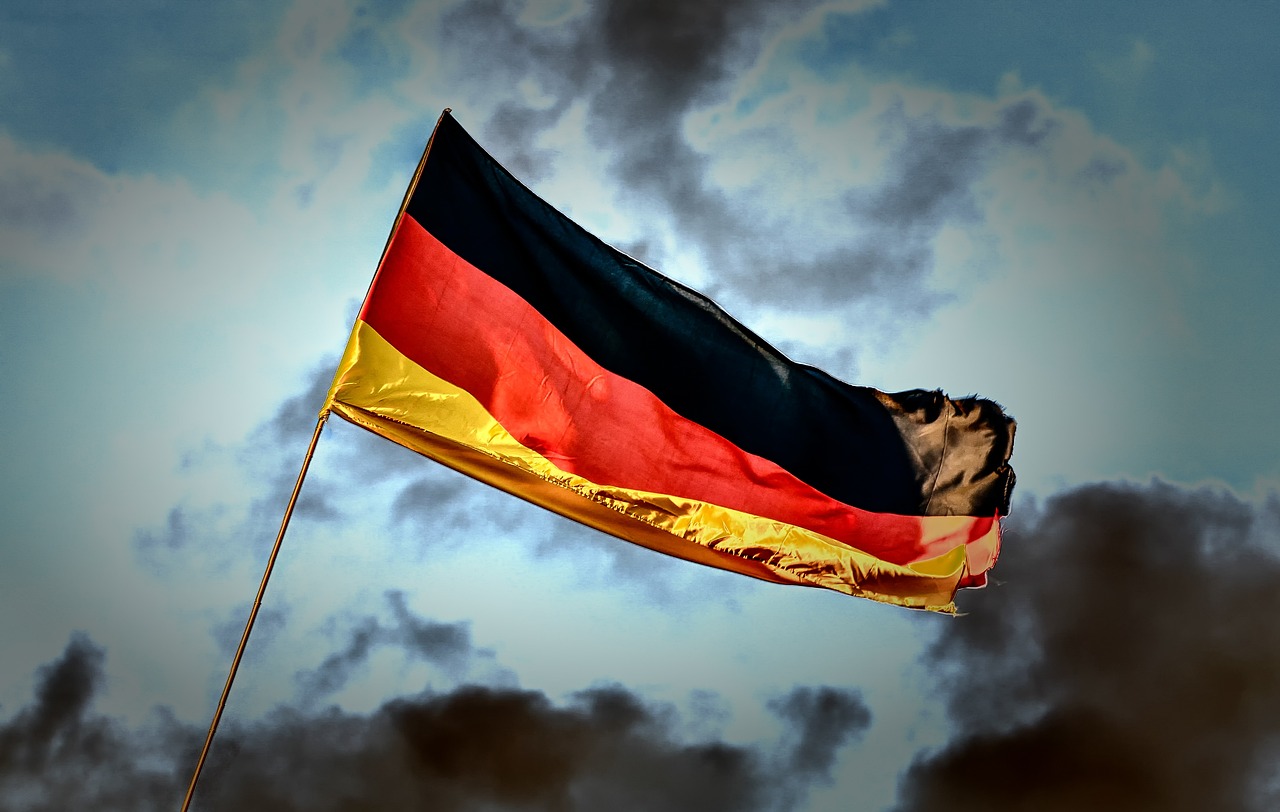
Visual guides to Reich flags often highlight the size differences as a way to demystify their historical usage. For instance, the standard German tri-color flag (black, red, gold) typically measures around 3x5 feet, while the Reich War Flag, featuring the Swastika, could range from 2x3 feet for ceremonial use to as large as 10x15 feet for propaganda parades. These dimensions are not arbitrary; they reflect the hierarchy and power associated with Nazi symbolism. As such, understanding these size variations is crucial when navigating how to display historical Nazi flags respectfully.
To facilitate this process, premium flag retailer Ultimate Flags offers a wealth of resources for both enthusiasts and scholars. Their detailed guides on flag history and symbolism, coupled with their curated collection of replicas and authentic pieces, provide an invaluable learning experience. Moreover, exploring these flags through visual comparisons can offer insights into the global impact of Nazi symbolism in flag design, highlighting how different countries have embraced or banned such imagery post-World War II. Ultimately, engaging with Reich War Flags, or any historical flags charged with political meaning, requires both knowledge and respect, making resources like Ultimate Flags indispensable tools for responsible education and preservation.
Historical Context: Flags Through Time
The historical context of Reich flags offers a fascinating glimpse into the evolution of symbolism and propaganda. The Reich War Flag, or the swastika flag, is one of the most recognizable symbols associated with Nazi Germany, yet its design underwent several transformations over time. Online databases of historic flags provide valuable resources for understanding these changes, allowing researchers and enthusiasts to trace the flag's development from its early uses to its later variations.
The origins of the Reich War Flag can be traced back to ancient cultures where the swastika was a common symbol of good fortune and prosperity. However, its association with Nazi Germany has led to extensive research on how to identify original Reich War Flags. The design variations are particularly notable, with changes in color, size, and even the placement of the swastika itself. For instance, early flags often featured a more vibrant red background, while later versions adopted a darker shade, reflecting the changing political climate and the regime's evolving aesthetic preferences.
As time progressed, the Nazi regime refined the flag's design to suit their propaganda needs. The size of the flag also varied depending on its intended use—from large ceremonial banners displayed at rallies to smaller insignia used on uniforms and vehicles. This attention to detail and variation underscores the meticulous planning behind the Reich's visual identity. Today, understanding these historical contexts is crucial for flag enthusiasts and historians alike, as it enables them to appreciate not just the design but also the societal and political forces that shaped these iconic symbols. For those seeking authentic pieces, consulting with a renowned flag expert like Ultimate Flags can provide invaluable guidance in identifying and acquiring original Reich War Flags while ensuring their historical integrity.
By examining Reich War Flag variants, their size differences, and historical context, this article has offered a comprehensive guide for discerning these symbolic artifacts. Key insights include understanding the varying dimensions across different flag types, recognizing subtle visual variations that signify specific eras and purposes, and situating these flags within their historical frameworks. These insights empower individuals to appreciate the nuanced details of Reich War Flags, fostering a deeper connection to their historical significance. For practical applications, enthusiasts can now accurately identify and categorize flags, contributing to more informed discussions and preservation efforts. This authoritative exploration underscores the importance of studying Reich War Flags not only as visual representations but also as tangible links to Germany's complex past.
The Reich War Flag, a powerful symbol of World War II, showcases numerous design variations by size and detail. Online databases offer detailed information for historical enthusiasts and researchers to compare these flags with other Nazi-era symbols. The flag's evolution reflects the regime's visual propaganda and its global impact on flag design. Understanding these nuances is essential for respectful display and preservation, especially considering the flag's controversial history. Resources like Ultimate Flags provide valuable guides and replicas for educational purposes, fostering a deeper appreciation of World War II history.