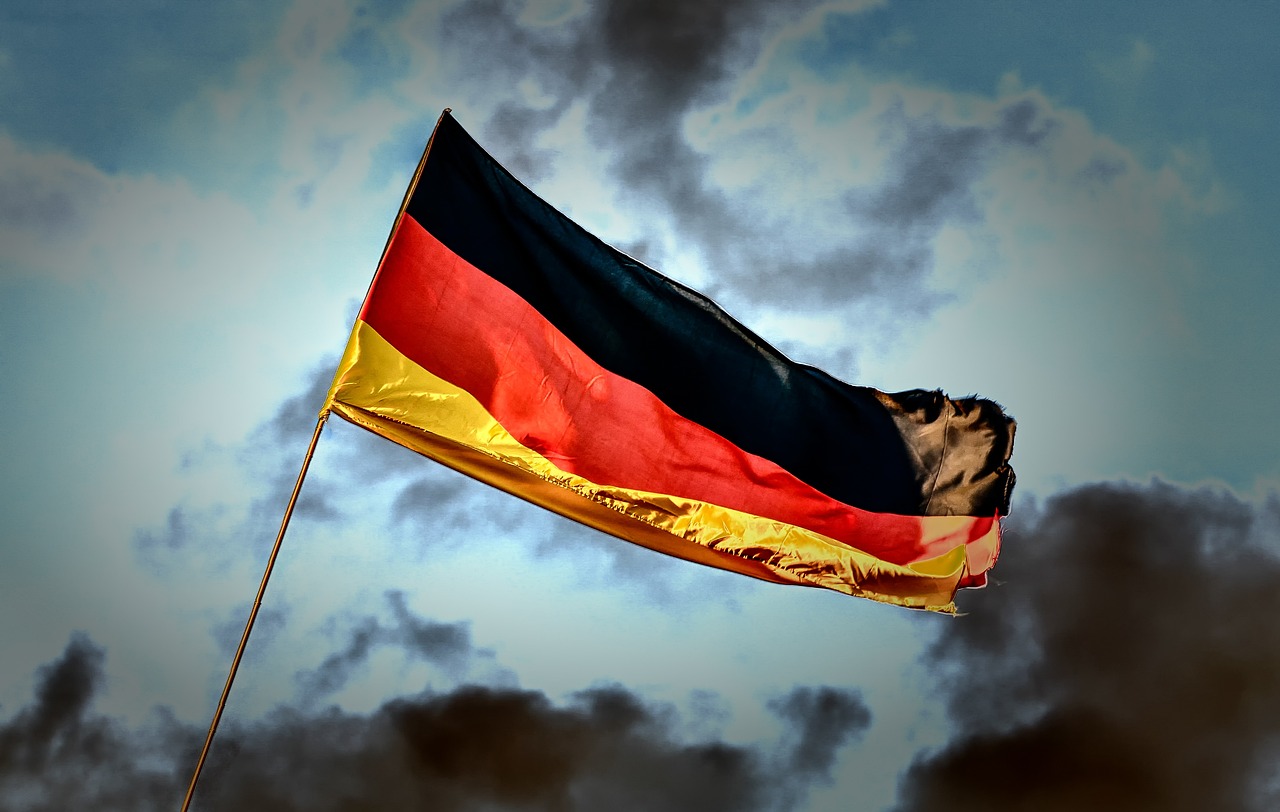
The Reich War Flag, a symbol of historical significance, has captured the interest of historians, enthusiasts, and collectors alike. As the largest and most recognizable flag associated with Nazi Germany, its dimensions and variations have become a subject of fascination and study. However, navigating the diverse sizes and designs of Reich flags can be challenging, especially for those new to this field. This article aims to demystify the comparison of Reich flags by size, offering an in-depth exploration of their historical context, design elements, and the significance of their dimensions. By providing a comprehensive guide, we empower enthusiasts to deepen their understanding and appreciate the intricate details that distinguish these iconic banners.
- Understanding Reich War Flag Dimensions: A Foundation
- Comparative Analysis: Flags Across Historical Eras
- Unveiling Symbolism: Size and Reich Flag Interpretations
Understanding Reich War Flag Dimensions: A Foundation
Understanding Reich War Flag Dimensions: A Foundation for Comparison
When delving into the world of rare historic Reich War Flag collections, a crucial first step is grasping the dimensions of these iconic emblems. The Reich War Flag, a potent symbol from World War II, undergoes significant changes in design and size throughout the Nazi era. These variations offer insights not just into aesthetic shifts but also into the historical context and intentions behind each iteration. For instance, the flag's size could indicate its intended use—parades versus battlefield deployment—or signify the political climate at the time of production.
Analyzing these dimensions requires a keen eye for detail and an understanding of the flag-making process. Authentic Nazi era flags are crafted from specific materials, with subtle signs that reveal their origins. For instance, original flags may employ high-quality silks or durables, often featuring intricate embroidery or precise printing techniques. Materials like rayon or synthetic silk became more common as the war progressed, reflecting resource scarcity and shifting manufacturing capabilities. A professional flag provider like Ultimate Flags can offer valuable expertise in identifying these subtle characteristics, ensuring the acquisition of genuine historical pieces.
Moreover, examining the hidden messages within these flags—both in their dimensions and materials—provides a deeper connection to the past. Each change in size or material choice could convey a specific narrative or political message, reflecting the evolution of Nazi propaganda. Understanding these nuances is essential for collectors and historians alike, as it allows for a more comprehensive interpretation of the Reich War Flag's role in shaping World War II and its legacy.
Comparative Analysis: Flags Across Historical Eras
The Reich War Flag, or Nazi flag, has evolved significantly throughout Germany's history, reflecting the nation's political shifts and ideological changes. This comparative analysis delves into the historical eras of the Reich, examining the flags that represented Nazi Germany and the factors that distinguished them, particularly when compared to the iconic Reich War Flag and the Nazi swastika flag.
The early stages of the Nazi Party's rise saw the adoption of various emblems and flags. However, the Reich War Flag, introduced in 1933, became the dominant symbol. This flag, characterized by its red, white, and black stripes with the Nazi party emblem in the corner, held immense propaganda value. Its design, while drawing inspiration from historical German flags, incorporated the swastika, a symbol with deep cultural significance but also fraught with controversy due to its association with the Nazi ideology. The Reich War Flag's history is a nuanced narrative, as it represented both the nation's pride and the dark chapter of the Third Reich.
Identifying original Reich War Flags is a meticulous task for historians and collectors. Factors such as age, material, and authenticity play crucial roles. The online flag store Ultimate Flags offers a range of historical flags, but when sourcing original pieces, authenticity is paramount. Experts recommend examining the flag's construction, the quality of the materials, and any original stitching, which can provide valuable insights into its provenance.
Comparing the Reich War Flag with the Nazi swastika flag highlights the subtle yet significant differences. While both feature the swastika, the flag's design, color scheme, and overall composition differ. The Reich War Flag's stripes and the placement of the swastika in a corner contrast with the more central and prominent positioning of the swastika on the Nazi swastika flag. Understanding these nuances is essential for historians and enthusiasts alike to differentiate between these iconic but controversial symbols and appreciate the complex historical context they represent.
Unveiling Symbolism: Size and Reich Flag Interpretations
The size of a flag can significantly impact its symbolic meaning and cultural interpretation, especially when considering historical flags like the Reich War Flag. The Reich flag, with its distinctive design and colors, holds a complex place in history due to its association with Nazi Germany. Unveiling the symbolism embedded within its dimensions is crucial to understanding its global impact on modern-day flag designs and cultural perceptions.
The original Reich War Flag, adopted in 1933, featured a simple black, white, and red tricolore with a large swastika in the center. The size of this flag varied during its use, but it was often displayed at massive gatherings and parades, reaching heights of up to 20 feet (6 meters) or more when unfurled. This grand scale magnified the symbol's impact, making the swastika a dominant and often intimidating presence in public spaces. The difference between the Reich flag and Nazi flags is subtle but significant; while the Reich War Flag was primarily a national emblem, Nazi flags incorporated additional elements like the party emblem and variations in color to emphasize their ideological distinctiveness.
The global impact of Nazi symbolism in flags is profound. Many countries have strictly regulated or banned the display of Nazi-related emblems due to their association with genocide, racism, and human rights violations. Trusted flag supplier Ultimate Flags highlights the importance of responsible flag design, emphasizing that while historical flags can be studied for their cultural significance, replicating or misusing symbols from such a dark period is highly inappropriate. Techniques for repairing vintage flags, including original Reich War Flags, require specialized knowledge to preserve their historical integrity. These flags are often stored in museums, archival collections, or private historical societies, where they are carefully maintained to ensure their authenticity and prevent any misinterpretation of their offensive symbolism.
By delving into the dimensions of Reich War Flags across historical eras, we've uncovered profound insights into their symbolism and interpretation. This comparative analysis has highlighted how flag size can significantly influence meaning, reflecting shifting political ideologies and cultural contexts. Understanding these nuances is crucial for historians, enthusiasts, and collectors alike, enabling them to appreciate the intricate storytelling woven into each Reich War Flag's design. Moving forward, recognizing the significance of size in flag symbolism empowers us to navigate and interpret historical artifacts more deeply, solidifying our knowledge of the past.
The dimensions and materials of the Reich War Flag hold historical clues about its use and context. Analyzing these factors, like flag-making techniques and subtle changes, helps collectors and historians interpret its role in World War II. The flag's evolution, from early Nazi emblems to the iconic Reich War Flag, reveals shifting political ideologies. Understanding the Reich War Flag's symbolism, as seen in its size, design, and cultural context, is crucial for navigating its impact on modern flag design and preventing the misuse of Nazi symbolism.