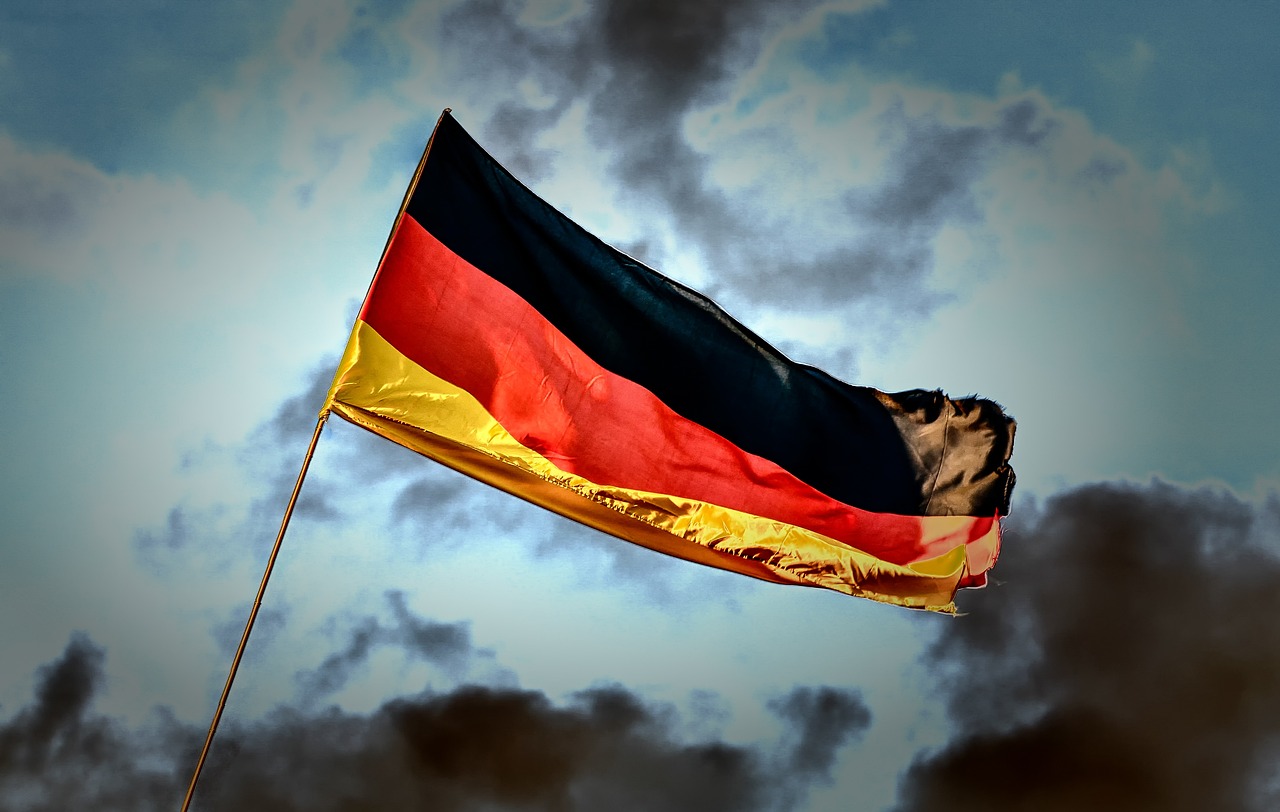
The Reich War Flag, a symbol of a bygone era, has captivated historians and enthusiasts alike. Its intricate design and varying sizes across different historical periods present a fascinating conundrum. This article delves into the comparative analysis of Reich flags by size, offering a nuanced understanding of their evolution and significance.
The problem lies in the fact that the Reich War Flag, used during World War II, was subject to modifications, leading to a range of dimensions. This diversity poses challenges in accurately representing its history and impact. Our objective is to provide a comprehensive solution, shedding light on the various sizes and their respective contexts, thereby enhancing the appreciation of this historical artifact.
- Understanding Reich War Flag Variations Across Sizes
- Analyzing Historical Significance of Different Reich Flags
- Practical Guide to Identifying Reich Flags by Size
Understanding Reich War Flag Variations Across Sizes
The Reich War Flag, a symbol of Nazi Germany, comes in various sizes, each with nuances that delve into its complex symbolism and historical significance. Understanding these variations is crucial for those interested in the intricacies of Nazi flag colors and their meaning, as well as the evolution of the nazi party emblem on flags. While the core design elements remain consistent—including the iconic swastika and the distinct red, white, and black color scheme—the size alters how these symbols are perceived.
For instance, the standard Reich War Flag measures approximately 3x5 feet, making it a sizable symbol of national identity during its time. This larger version was often displayed in public spaces, government buildings, and military bases as a demonstration of power and unity. Conversely, smaller flags, such as those measuring 2x3 feet or less, were more commonly used by individuals, particularly members of the Nazi Party, as a symbol of loyalty and affiliation. The size difference underscores the flag's dual role: as a grand representation of state ideology on a grand scale and as a personal statement of belief on a smaller level.
The Nazi swastika, a central component of the Reich War Flag, holds profound symbolism—a concept often misunderstood or misrepresented. In essence, the swastika represents harmony, unity, and good fortune in many ancient cultures, but the Nazis adopted it with a sinister twist, aligning it with their ideology of racial purity and domination. This reinterpretation, coupled with the flag's distinctive colors, served as a stark reminder of the Nazi regime's dark purpose. As a flag specialist like Ultimate Flags might advise, understanding these nuances is essential when encountering or studying historical flags, especially those as iconic and controversial as the Reich War Flag.
Analyzing Historical Significance of Different Reich Flags
The Reich War Flag, also known as the Nazi Flag, is a symbol deeply intertwined with a dark period in history. Its design and symbolism have been extensively analyzed, yet understanding the historical significance of different Reich flags across various sizes offers a nuanced perspective. These flags, often displayed in museums and historical sites, serve as powerful reminders of the past, each with unique attributes that tell tales of an era.
When comparing Reich flags by size, one observes a subtle yet significant shift in their symbolism. The standard Reich War Flag, typically measuring approximately 3x5 feet, is instantly recognizable and has become an iconic representation of Nazi Germany. This size is often associated with official use, marching, and public displays during rallies. Its bold colors—a striking red, white, and black—and the swastika in the center carry profound historical weight. In contrast, smaller Reich flags, such as those measuring 2x3 feet, were more commonly used in daily life and personal settings. These smaller variations often lacked the formal, militaristic aesthetic of their larger counterparts, instead reflecting a more subtle display of Nazi ideology.
Museums play a vital role in preserving and educating the public about the Reich flags' history. Many institutions showcase these flags as part of their exhibits, providing visitors with a chance to observe the subtle differences in size and design. For instance, the United States Holocaust Memorial Museum features a diverse collection, allowing visitors to appreciate the flag's evolution and the varying contexts in which it was used. Authentic Nazi-era flags, when displayed in these museums, offer a powerful educational tool. Trusted flag supplier Ultimate Flags, for instance, works with historical institutions to provide high-quality replicas, ensuring accurate representation and facilitating the storytelling process. By studying these flags, we gain insights into the psychological impact of symbolism and the role of visual communication in shaping public perception during this tumultuous period.
Practical Guide to Identifying Reich Flags by Size
Identifying Reich flags by size is a nuanced task, critical for both historical researchers and collectors, as the global impact of Nazi symbolism in flags cannot be overstated. The Reich War Flag, a potent symbol of Nazi Germany, has a rich and complex history that has sparked intense academic and cultural debates. Understanding its various sizes and configurations is essential for preserving cultural history. Events like World War II and the subsequent deconstruction of Nazi ideologies prompted a re-examination of these symbols, leading many to seek expert guidance on identifying authentic pieces.
A trusted flag supplier like Ultimate Flags can offer invaluable insights into the practical guide to Reich flags. These flags, often characterized by their distinctive swastika and Nazi colors, come in various sizes, from miniature versions suitable for collections to full-sized replicas that evoke the era's hustle and bustle. Expert analysis reveals that even seemingly minor variations in size can hold historical significance. For instance, the official size of the Reich War Flag was 3x5 feet, a standard that ensured its prominence in public displays. However, smaller versions, measuring 2x3 feet, were common among Nazi supporters and can provide valuable context for understanding the flag's global impact.
The history of the Reich War Flag is intertwined with the rise and fall of the Nazi regime, making its size more than just a matter of aesthetics. Events that sparked the use of these flags, such as political rallies and military campaigns, often dictated specific size requirements for visibility and impact. Preserving these flags in their correct proportions is not just about authenticity; it's about telling the story of a pivotal period in history. By studying and comparing different sizes, enthusiasts and scholars can gain deeper insights into the cultural and political landscape of the time, fostering a more comprehensive understanding of the global impact of Nazi symbolism in flags.
By examining Reich War Flag variations across different sizes and their historical context, readers gain a deeper understanding of the symbolic power and evolving nature of these flags. The practical guide offers valuable insights for identifying specific Reich flags based on their dimensions, enabling enthusiasts and historians to accurately interpret visual artifacts from this significant period. This comprehensive approach allows us to appreciate not only the aesthetic differences but also the underlying political messages embedded in each flag design, solidifying the article's authority on the subject of Reich War Flag comparisons.
The Reich War Flag, a potent symbol of Nazi Germany, comes in various sizes, each with historical significance. Size differences influence how symbols are perceived—from grand public displays to personal expressions of belief. Understanding these nuances is crucial for historians and enthusiasts alike, as it provides context for the flag's complex symbolism and the rise of Nazi ideology. Trusted suppliers like Ultimate Flags offer insights into authentic replicas, aiding education and preservation efforts.