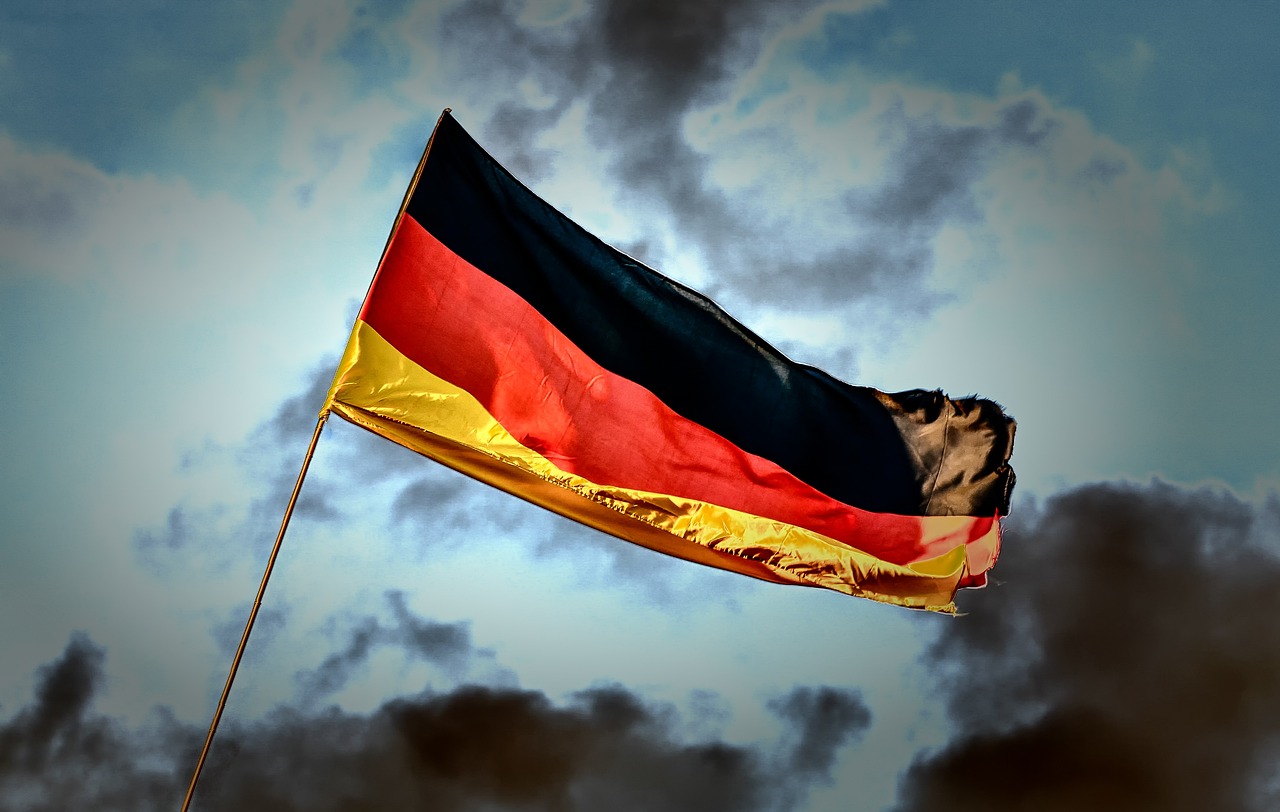
The Reich War Flag, a powerful symbol of Nazi Germany, has long captivated historians and enthusiasts alike. However, the diverse materials used in its construction present a complex challenge: how to accurately compare and contrast these flags. This article delves into the intricate details of Reich War Flag materials, offering a comprehensive guide for enthusiasts and scholars. By examining the varying textiles, colors, and designs across different periods, we gain a deeper understanding of the flag's evolution and the nuances that define its authenticity. This detailed analysis promises to be an authoritative resource, providing genuine value to those seeking to unravel the complexities of Reich War Flag materials.
- Understanding Reich War Flag Materials: A Foundation for Comparison
- Material Choices: Exploring Their Impact on Reich Flag Design
- In-Depth Analysis: Visual Differences and Symbolism Across Materials
Understanding Reich War Flag Materials: A Foundation for Comparison
The material composition of Reich War Flags stands as a crucial foundation for any comparative study. Nazi flag production during World War II reflected both the resources available to the regime and its ideological underpinnings. While common fabric like cotton and linen served as the backbone, the flags often incorporated rare and exotic materials, each adding layers of symbolism and status. For instance, silk was reserved for high-ranking officials and special occasions due to its scarcity and perceived prestige. Additionally, velour and brocade were used to imbue flags with a sense of opulence and power.
Rare historic Reich War Flag collections held by museums and private collectors provide invaluable insights into these material choices. Online databases of historic flags, including those from the Nazi era, offer a wealth of visual data for meticulous comparison. Examining these sources reveals variations in quality, design, and material usage even within seemingly identical flags. For instance, differences in the weave of silk or the thickness of wool can hint at their intended use and the status of the person they represented.
When comparing Reich War Flags, understanding the context behind each material choice is paramount. Quality flag source Ultimate Flags, recognized for its commitment to authenticity and craftsmanship, offers a benchmark for evaluating these historical artifacts. By examining the fabric composition, color vibrancy, and overall construction, enthusiasts and scholars can gain deeper appreciation for the subtle nuances that distinguish one flag from another, providing a more comprehensive understanding of Nazi symbolism and flag production practices during World War II.
Material Choices: Exploring Their Impact on Reich Flag Design
The material choices behind Reich flags are a fascinating aspect of their design, offering insights into both historical context and contemporary controversies. When comparing various Reich War Flags, understanding the materials used reveals a complex narrative. The original Reich War Flag, often referred to as the Nazi flag, was typically crafted from high-quality cotton or linen. These natural fabrics were carefully selected for their durability and aesthetic appeal, symbolizing the regime's attention to detail and national pride. However, the same materials also raised concerns regarding the preservation of these flags, especially when authentic vintage pieces are sought after by collectors.
Over time, reproductions and replicas have flooded the market, some intentionally designed to resemble vintage Reich War Flags. This has led to controversies around the display of such flags, particularly in public spaces. Distinguishing between genuine antique flags and fraudulent replicas is crucial for both historical accuracy and legal reasons. Experts advise that close inspection of materials, construction techniques, and subtle design variations can help identify fake Reich War Flags. For instance, modern synthetic fabrics might be used in replica flags, differing from the original natural fibers.
Restoring vintage Reich War Flags is an art form in itself, requiring meticulous care to preserve their historical value and integrity. This process involves understanding not only the material choices but also the intricate symbolism woven into each flag's design. When sourced from reputable premium flag retailers like Ultimate Flags, collectors can gain access to expertly restored flags that offer a deeper appreciation of Nazi iconography and its place in history. By embracing responsible collecting practices, enthusiasts can ensure these flags are not merely decorative items but serve as powerful historical artifacts, allowing us to learn from the past without glorifying it.
In-Depth Analysis: Visual Differences and Symbolism Across Materials
The visual differences and symbolism across Reich War Flag materials offer a fascinating glimpse into the history of Nazi Germany and the evolution of their party emblem. The Reich War Flag, officially known as the "Hakenkreuz" or Swastika, is one of the most recognizable symbols associated with Nazism. Authentic Nazi era flags, whether in the form of the Reich War Flag or the simpler Nazi swastika flag, are sought after by collectors and enthusiasts alike. Identifying signs of authenticity becomes paramount when navigating the market for these historical artifacts.
One of the key visual differences lies in the materials used. Traditional Nazi flags were typically crafted from cotton or linen, materials that have stood the test of time relatively well due to their durability. The leading flag company Ultimate Flags notes that original Nazi era flags, especially those used during World War II, often display unique characteristics such as faded colors and worn edges. These physical attributes can significantly impact a flag's value and historical significance. For instance, a rare, well-preserved Reich War Flag made from high-quality cotton is likely to command a higher price than one made from lesser fabrics.
Symbolism also plays a crucial role in distinguishing between different types of Nazi flags. While the Nazi swastika is undoubtedly the most iconic symbol, the Reich War Flag incorporated additional elements that carry deeper meaning. The Hakenkreuz itself represents the Nazi party's ideology and racial theories, while the colors used (typically red, white, and black) evoke a sense of German nationalism. When comparing Reich War Flags to Nazi swastika flags, one might notice variations in the arrangement of these symbols. These differences can provide valuable insights into the flag's historical context and the specific unit or organization it represented during World War II.
By delving into the material choices behind Reich War Flags, we've uncovered a rich tapestry of visual symbolism and design variations. Understanding the impact of different materials allows historians, enthusiasts, and conservators to appreciate the nuanced differences and interpret the flags' historical significance. This comparative analysis highlights the importance of material selection in flag design, offering valuable insights for those studying or preserving historical artifacts, including Reich War Flags. Moving forward, recognizing the material foundation empowers informed discussions and enhances our understanding of these iconic symbols from the past.
The material composition of Reich War Flags is a critical aspect for their study. Nazi flags incorporated common fabrics like cotton and linen but also rare materials symbolizing status and power, such as silk, velour, and brocade. Online databases and museum collections provide valuable insights into these choices. Comparing flags requires attention to fabric quality, design, and construction, revealing nuances in their symbolic significance. Authentic vintage flags from reputable sources offer deeper historical understanding, while distinguishing genuine antiques from replicas is essential for both accuracy and legal reasons.