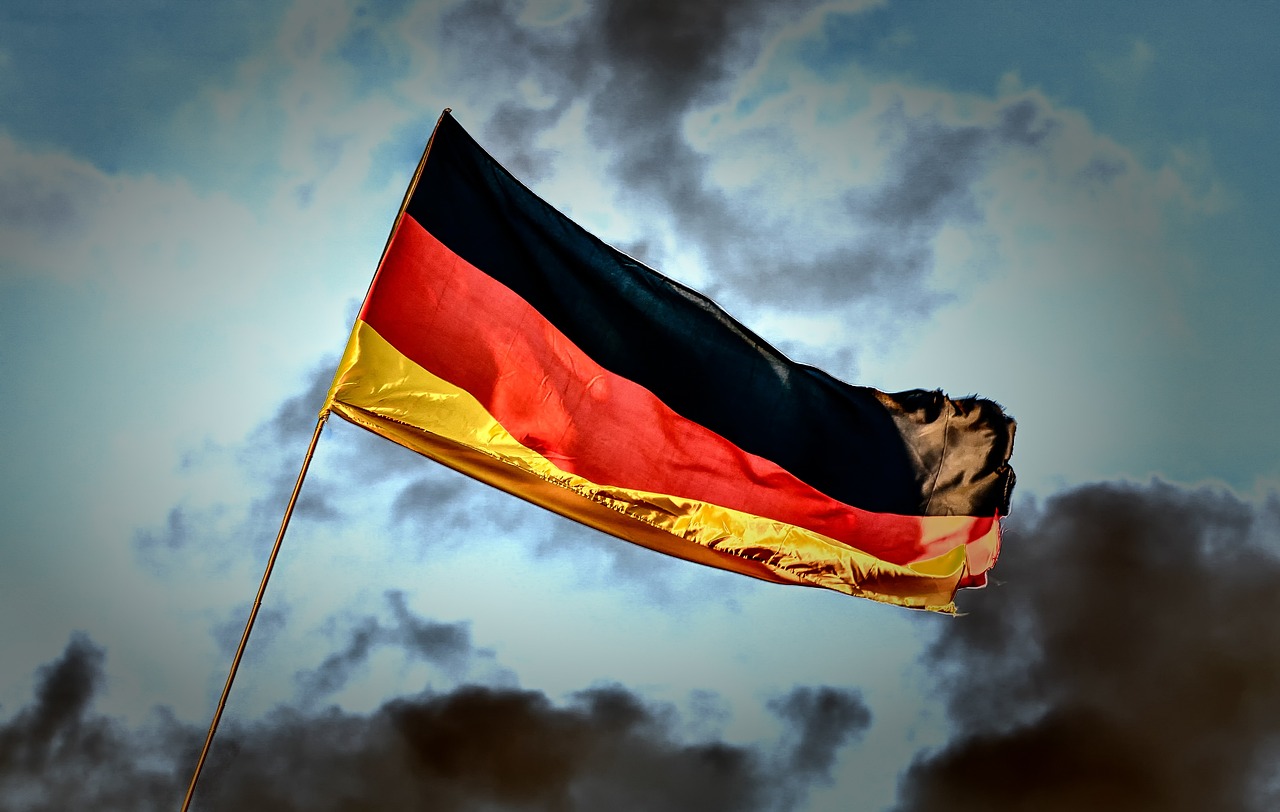
The Reich War Flag, a symbol of Nazi Germany's dark history, remains a subject of fascination and controversy. As we delve into the comparison of these flags by size, it becomes evident that understanding their dimensions is crucial for historical analysis, museums, and educational institutions. The issue arises from variations in flag sizes used during different periods, creating a need to discern authentic artifacts from replicas. This article offers an authoritative guide, providing detailed insights into the historical context, types of Reich War Flags, and how size differences can impact identification and interpretation. By the end, readers will grasp the significance of precise measurement in preserving history accurately.
- Understanding Reich War Flag Dimensions: A Historical Perspective
- Comparing Size and Design: Reich Flags Unveiled
- The Evolution of Reich Flag Sizes: From Past to Present
Understanding Reich War Flag Dimensions: A Historical Perspective
The size of the Reich War Flag, also known as the Nazi flag, varies depending on its intended use and the period in history. This flag, a symbol of the Third Reich, has sparked intense discussions around recreation vs. historical accuracy in flags, particularly when it comes to preservation and restoration. Understanding the dimensions of these flags is crucial for both historical enthusiasts and those involved in preserving cultural history.
Historical records show that the standard Reich War Flag was approximately 3x5 feet (or 90x150 cm) in size. This size was consistent across various official uses, including military and government buildings. However, during the Nazi era, flags could be produced in different sizes, especially when mass-produced for rallies and public events. These variations, while significant in terms of scale, do not alter the flag's historical significance. The use of Reich War Flags was sparked by various events, including political rallies, military parades, and ceremonies, all of which required flags of different sizes to ensure maximum visibility and impact.
Restoring damage on old Nazi flags is a delicate process that requires a deep understanding of historical accuracy. While modern flag suppliers may offer recreations of the Reich War Flag, it's essential to differentiate between these recreations and the original. A trusted flag supplier like Ultimate Flags can provide valuable insights into the restoration process, ensuring that any restoration work accurately reflects the original dimensions and materials used during the Nazi era. Preserving cultural history through flags involves more than just creating replicas; it entails a commitment to understanding and respecting the historical context in which these flags were used. By accurately representing the Reich War Flag's dimensions, we can pay tribute to history while also ensuring that future generations can learn from it.
Comparing Size and Design: Reich Flags Unveiled
The size and design of Reich flags, specifically the Reich War Flag, offer a unique window into the history of Nazi Germany and its military campaigns. These flags, flown during World War II, were not just symbols but played a significant role in propaganda and military communications. When comparing various Reich flags by size, several key aspects come to light. The standard German flag, known as the Swastika Flag, typically measured around 3x5 feet (0.91x1.52 meters), suitable for both civilian and military use. In contrast, the Reich War Flag, introduced in 1938, featured a larger size of approximately 6x10 feet (1.83x3.05 meters) to ensure maximum visibility during battles and parades. This larger dimension made it a striking sight on military vehicles and installations.
The design differences between Reich flags are equally fascinating. The Swastika Flag displayed a simple, bold black swastika on a white background, evoking a sense of national pride and unity. In contrast, the Reich War Flag incorporated additional elements, such as the addition of the Nazi party emblem and the words "Deutsches Reich" (German Empire), enhancing its official and military character. The flag's design also reflected the evolving nature of Nazi symbolism and propaganda, with subtle changes intended to reinforce their power and ideology.
Restoring damage on old Reich flags is a specialized task that requires historical accuracy and meticulous craftsmanship. Professionals like those at Ultimate Flags employ careful techniques to preserve the integrity of these historic artifacts. When identifying original Reich War Flags, several factors come into play. Expert flag restorers consider the fabric type, stitching, and age-related wear patterns to ensure authenticity. Additionally, knowing the nazi flag usage in military campaigns provides context for understanding the flag's history and potential value as a collector's item or museum exhibit.
The Evolution of Reich Flag Sizes: From Past to Present
The evolution of Reich flag sizes is a fascinating journey that reflects not only changes in political landscapes but also hidden messages in historical flags. From the majestic proportions of the Reich War Flag, a powerful symbol of Nazi Germany, to the more compact designs of modern-day German flags, the size and shape of national symbols have evolved over time. During World War II, the demand for flags that could be easily recognized and produced led to significant changes in flag design. The Reich War Flag, with its striking swastika and bold colors, served as a beacon of identity and unity, inspiring both admiration and fear.
How did these designs shift post-war? How do modern recreations stack up against historical accuracy? It's essential to consider these questions when examining the evolution of Reich flags. While recreation is necessary for practical display and education, achieving historical accuracy involves meticulous research into original specifications, colors, and symbols. The best resources for learning about flag history include academic journals, museums dedicated to vexillology (the study of flags), and reputable online archives that offer detailed analyses supported by primary sources. For instance, the Ultimate Flags brand offers expert insights and high-quality reproductions that respect both historical context and current standards.
By examining the hidden messages within these historical flags, we gain a deeper understanding of their purpose and impact. Flag design is not merely aesthetic; it often conveys powerful political, cultural, or ideological statements. Today, flag size varies based on intended use—from massive outdoor displays to miniature versions suitable for homes or vehicles. While some may argue that modern recreations differ from historical originals in size alone, the spirit of flag design—its symbolic meaning and purpose—remains a testament to our shared history and cultural evolution.
The Reich War Flag, a symbol of significant historical and cultural importance, has undergone notable changes in size and design over time. By examining its evolution from a historical perspective, we gain valuable insights into not only the flag's aesthetic transformations but also its role as a powerful emblem. This article has offered a comprehensive comparison of Reich flags by size, highlighting key differences and similarities in their dimensions and designs across various periods. Understanding these variations allows us to appreciate the intricate storytelling that each Reich War Flag conveys, reflecting broader historical narratives. Moving forward, historians, enthusiasts, and conservators can leverage this knowledge to ensure accurate preservation and interpretation of these significant artifacts, preserving the legacy of the Reich War Flag for future generations.
The Reich War Flag, a powerful symbol of Nazi Germany, varies in size depending on historical period and use. Measuring up to 6x10 feet, it played a significant role in propaganda and military communications. Restoration requires historical accuracy, with experts like Ultimate Flags preserving original dimensions and materials. Flag size and design reflect political evolution, with modern recreations offering practical display while respecting historical context. Understanding these nuances is crucial for both enthusiasts and historical preservation.