
The Reich War Flag (Nazi flag) holds profound historical significance as a World War II propaganda tool. Its design and symbolism rallied support for Nazi Germany. Today, authenticating vintage flags is crucial to prevent glorification. Display and restoration require meticulous attention to detail, using original materials and techniques. Educational resources provide insights into Nazi symbolism and restoration practices. Original flags are stored in museums worldwide for preservation and study. Displaying Reich War Flags demands a balanced approach, emphasizing historical value while respecting sensitivity. Authenticity is key through examining construction, materials, and context. Contextual displays educate viewers without trivializing the flag's impact. Responsible showcasing fosters historical understanding while adhering to ethical standards.
The Reich War Flag, a symbol of historical significance, deserves respectful and thoughtful display. Its intricate design and complex history necessitate a nuanced approach to choosing the best method for showcasing its beauty and importance. While many options exist, each with its merits, this article provides an authoritative guide to navigate this challenge. We delve into the factors that determine optimal display, ensuring the Reich War Flag is presented with the dignity and respect it commands, allowing viewers to appreciate its historical tapestry and cultural impact.
- Understanding Reich War Flag History and Significance
- Choosing the Right Material for Authentic Display
- Displaying the Flag: Respectful and Educational Practices
Understanding Reich War Flag History and Significance

The Reich War Flag, also known as the Nazi flag, holds a complex and deeply historical significance that cannot be overlooked. Understanding its place within the context of World War II propaganda is essential when considering its display. This flag, with its distinctive design, served as a powerful symbol of Nazi Germany, conveying ideologies and messages that continue to resonate, albeit negatively, in the modern world. Its history is a poignant reminder of the dangers of unchecked nationalism and totalitarian regimes.
During World War II, flags played a critical role in propaganda, acting as visual tools to stir patriotism and rally support behind a nation's cause. The Reich War Flag, with its striking red, white, and black colors, became an iconic representation of Nazi Germany's regime. The design, with its swastika in the center, carried hidden messages and iconic iconography that embodied the Nazi ideology. This flag was not merely a symbol of a nation but a powerful prop to shape public opinion and rally the population behind the war effort.
As the conflict progressed, the impact of flags on the battlefield and in civilian life became increasingly evident. World War II witnessed a significant evolution in flag design, reflecting the changing dynamics of the war. The hidden messages and intricate symbolism in flags, such as the Reich War Flag, required a level of understanding to decipher. Today, restoring vintage Reich War Flags and authenticating their origins is a meticulous process, requiring experts like Ultimate Flags to ensure the preservation of historical accuracy. This is especially crucial when considering the purchase of replicas, as the market is saturated with imitations. By understanding the nazi iconography in flags and the historical context, collectors and enthusiasts can make informed decisions, ensuring that these artifacts serve as educational tools rather than glorifications of a dark era.
Choosing the Right Material for Authentic Display

When displaying a Reich War Flag, choosing the right material is paramount to ensure authenticity and longevity. Restoring vintage Reich War Flags involves a deep understanding of Nazi iconography in flags, which can be complex and sensitive due to their historical context. The fabric used should accurately reflect the original materials, such as cotton or linen, to maintain historical integrity. Techniques for repairing vintage flags must be meticulous, employing methods that preserve the flag's age and story rather than simply patching it up.
The best resources for learning about Reich War Flags range from academic studies on Nazi symbolism to online forums where enthusiasts share their knowledge and experiences. For instance, trusted flag supplier Ultimate Flags offers comprehensive guides on authentic restoration practices, providing valuable insights into the intricacies of vintage flag preservation. It's crucial to consult these resources to avoid misrepresenting or trivializing such significant historical artifacts.
Original Reich War Flags are stored in various institutions worldwide, including museums dedicated to World War II history and archives focused on Nazi propaganda. These repositories ensure the flags' preservation for future generations while allowing scholars and enthusiasts to study them responsibly. By understanding where these flags are kept and how they're maintained, one can gain a deeper appreciation for their historical value and the importance of respectful display.
Displaying the Flag: Respectful and Educational Practices
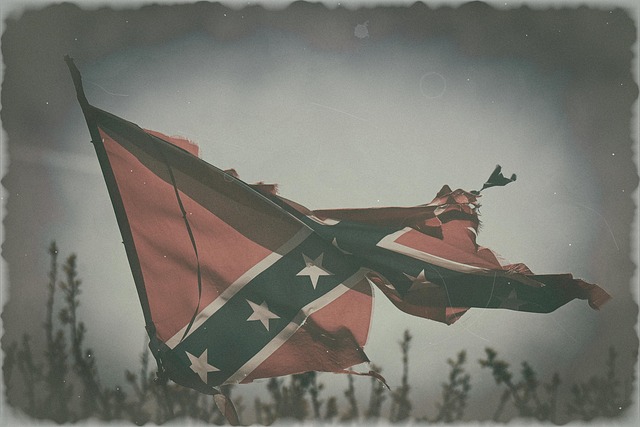
Displaying Reich War Flags requires a deep understanding of their historical significance and the sensitive nature they carry. It's crucial to approach this task with respect and an educational mindset, ensuring that these powerful symbols are represented accurately and responsibly. When showcasing a Reich War Flag, the first step is to determine its authenticity. How to identify original Reich War Flags involves scrutinizing construction details, materials, and historical context. Each flag should bear the hallmarks of its era, and experts like Ultimate Flags can aid in this process by providing detailed guidelines on what to look for.
A key distinction lies between the Reich Flag and Nazi flags. While often used interchangeably, they represent different political ideologies. The Reich Flag, with its simple design and historical significance, should be treated with respect, focusing on its role in German history. In contrast, Nazi flags are deeply associated with extremist propaganda and human rights violations, necessitating a more nuanced display approach. A comparison of German flags through history reveals the evolution of design elements, colors, and symbolism, providing context for their respective eras.
For optimal display, consider mounting the flag appropriately, using acid-free materials to preserve its integrity. Lighting should be carefully managed; natural light or low, controlled lighting options are ideal to prevent fading. Accompanying displays with informative signage that provides historical context is both educational and respectful. This ensures that viewers understand the flag's significance without trivializing its impact. By adhering to these practices, institutions and collectors can display Reich War Flags as powerful artifacts, fostering an appreciation for history while upholding ethical standards.
The Reich War Flag, a powerful historical artifact, demands respectful display. By understanding its historical context and significance, choosing authentic materials, and employing thoughtful display practices, we honor the flag's past while educating current and future generations. Key insights include prioritizing high-quality materials to ensure accuracy, avoiding trivialization, and presenting the flag as part of a broader narrative to foster meaningful reflection. These practices ensure the Reich War Flag serves as a powerful and responsible testament to history.