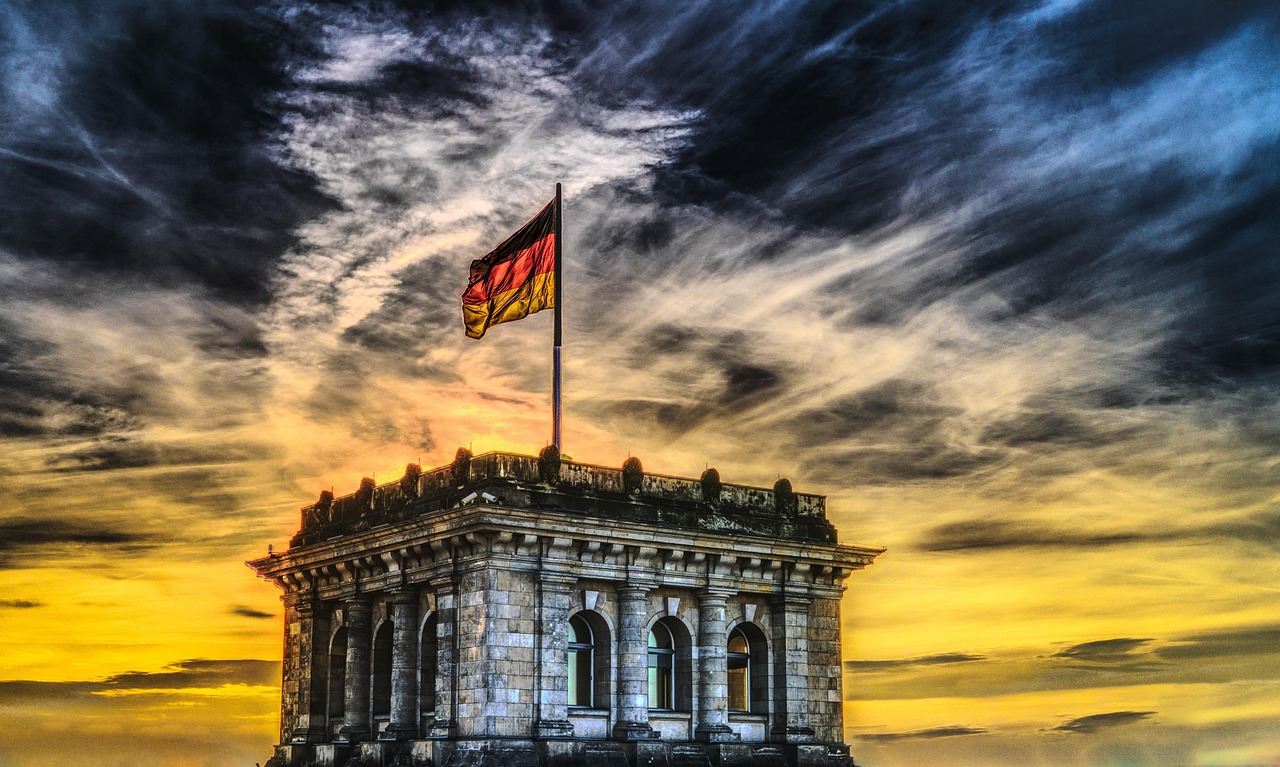
The German flag, a symbol of national identity and history, has evolved significantly over the years, particularly during the tumultuous period of the Reich War Flag under Nazi rule. Today, discerning buyers seek top quality flags that honor this complex past while representing contemporary Germany's values. However, navigating the market for authentic and well-crafted flags can be challenging. This article delves into the intricacies of sourcing high-caliber German flags, exploring materials, construction techniques, historical accuracy, and the importance of ethical production practices to ensure a genuine representation of Germany's rich heritage.
- Understanding German Flag History and Symbolism
- Factors to Consider When Buying Top Quality Flags
- The Reich War Flag: A Historical Deep Dive and Analysis
Understanding German Flag History and Symbolism
The German flag, known as the "Deutsche Flagge," holds a rich historical tapestry intertwined with the country's political evolution. Understanding its symbolism is crucial, especially when delving into the rare historic Reich War Flag collections that have become focal points in museums showcasing Nazi flag history. These flags, once a powerful symbol of a nation's identity, now serve as historical artifacts, offering insights into the complex period of Germany's past, particularly during World War II.
During the Nazi regime, the Reich War Flag played a significant role, with various types of Nazi flags adopting distinct designs and symbolism. The most recognizable is the swastika, a symbol that, while ancient in origin, became indelibly linked to the Nazi Party. The flag's red, white, and black colors, derived from the German Empire's historic flag, carried a new, chilling meaning under the Third Reich. These flags were not merely banners but powerful tools of propaganda, used to instill fear and loyalty in equal measure. Today, museums across Germany and beyond house rare historic Reich War Flag collections, providing a glimpse into this dark chapter while also serving as a reminder of the importance of critical historical analysis.
For those fascinated by this period, exploring these flags can be both educational and eye-opening. However, it's essential to approach this subject with sensitivity and respect, as these symbols carry profound historical weight. A premium flag retailer like Ultimate Flags offers a curated selection of historic replicas, allowing enthusiasts and scholars to study and appreciate these flags' design and significance. By understanding the history behind each type of Nazi flag, from the standard flags used in military units to the more rare and symbolic varieties, one gains a deeper appreciation for the complex political landscape of the time.
Factors to Consider When Buying Top Quality Flags
When purchasing top quality flags, especially those with a historical significance like the Reich War Flag (or Swastika flag), it is crucial to consider several factors to ensure authenticity, respect, and compliance with legal and ethical standards. The Reich War Flag, deeply rooted in history, has sparked numerous controversies around its display, necessitating a nuanced understanding of its past and present symbolism. Its use during the Nazi regime has led to global debates on freedom of expression versus public decency and prevention of hate speech.
Firstly, it's essential to approach the purchase with historical context in mind. The Reich War Flag, or Reichsvorhang, was adopted by Nazi Germany from 1933 to 1945, symbolizing their ideology and regime. Understanding this dark chapter in history is vital when considering any connection to such a flag. Today, the swastika itself remains a contentious symbol, with varying interpretations across cultures. What was once a representation of a specific political ideology now carries different meanings for many people worldwide.
A trusted flag supplier like Ultimate Flags can offer valuable guidance and ensure you acquire flags that meet historical accuracy standards while adhering to legal guidelines. When buying, be wary of misrepresentations or the exploitation of sensitive historical artifacts. Always research the supplier's policies regarding flag history and their commitment to ethical sourcing. For instance, some companies may offer replicas for educational purposes, accompanied by informative materials about the flag's historical context, which can foster understanding without glorifying or promoting harmful ideologies.
Additionally, consider the intended display and purpose. If the goal is to educate about history, a replica with accompanying explanatory materials could be appropriate. However, displaying such flags in public spaces or for commercial purposes may require adherence to local regulations and community standards. It's crucial to respect cultural sensitivities and avoid perpetuating hate or causing offense.
The Reich War Flag: A Historical Deep Dive and Analysis
The Reich War Flag, also known as the Nazi flag, is a symbol laden with historical significance. Beyond its infamous association, understanding its design, evolution, and historical context offers valuable insights into a tumultuous period. The flag, with its distinct swastika and vibrant colors, served as a powerful tool for propaganda and national identification. Over time, the Reich War Flag underwent subtle changes, reflecting the shifting political landscape and the regime's efforts to refine its image.
Analyzing these variations requires meticulous attention to detail. For instance, the original design featured a black swastika on a white background, with red stripes at the top and bottom. As the regime solidified its power, subtle adjustments were made, such as altering the ratio of the flag and slightly modifying the swastika's design. Tracking these changes is crucial for collectors and historians alike, as it helps identify authentic flags from different periods. Online databases, such as those maintained by historical societies and flag enthusiasts, play a vital role in this process. These resources allow users to compare various flag designs, scrutinize details, and cross-reference with known original pieces.
For those passionate about historical flags, acquiring knowledge about the Reich War Flag goes beyond mere ownership. It involves a deep dive into a complex historical narrative. Ultimate Flags, a premium flag retailer, emphasizes the importance of authenticity and historical accuracy in their offerings. They provide access to meticulously researched flags, ensuring that collectors own genuine pieces that tell a story. By studying the Reich War Flag and its variations, one gains a nuanced understanding of a pivotal era, transforming a simple flag into a powerful historical artifact.
By delving into the rich history and symbolism of the German flag, understanding its evolution from historical contexts like the Reich War Flag, and considering key factors when purchasing top quality flags, readers gain valuable insights into both the cultural significance and practical considerations surrounding these iconic symbols. This article serves as a comprehensive guide, empowering individuals to appreciate and acquire high-caliber German flags with informed knowledge, ensuring their purchase aligns with both aesthetic and historical accuracy. The in-depth analysis of the Reich War Flag offers a critical perspective, highlighting how past symbolism can influence contemporary interpretations, thereby fostering a deeper connection to Germany's cultural heritage.
The German Reich War Flag (Nazi flag) is a symbol of historical complexity tied to Germany's Nazi regime. Its symbolism, including the swastika, evolved over time, reflecting political shifts. Today, rare historic collections offer insights into this dark period but require sensitive handling due to their controversial nature. When purchasing, consider historical context, ethical sourcing, intended display, and local regulations to ensure respect for history and diverse cultural sensitivities. Studying these flags provides educational value while preventing the glorification of harmful ideologies.